
Trading a Classroom for a Shop Bay in Minnesota
If you've always been the person friends call when their car starts making a weird noise, turning that skill into a paycheck is absolutely doable in Minnesota. You don't need a four-year degree, and you don't need to go into debt. What you need is a plan, some hands-on hours, and a willingness to keep learning as cars get smarter every year.
- Minnesota doesn't require a state license to work as a mechanic, so training and certification matter more than any government paperwork.
- Most paths take 12 to 24 months, and many include shop hours that count toward ASE testing requirements.
- Tuition-free options exist for Twin Cities residents who qualify, which changes the math for anyone worried about student debt.
What the Job Looks Like Day to Day
A general service tech spends the morning pulling wheels for brake jobs, then swings over to diagnose a check-engine light on a pickup that's been dragging in with a misfire. After lunch, it might be an oil change, a tire rotation, and chasing down a parasitic battery draw on an older sedan. The work rotates between routine maintenance and real puzzle-solving, and scan tools now matter as much as wrenches. If you like variety and you enjoy figuring out why something isn't working, the shop floor is a good fit.
Your Mechanic Career Path Starts Here
Lots of folks search online for how to become an auto mechanic certified in Minnesota and run into a pile of generic advice. The state's actual path is clearer than most. Minnesota has no statewide licensing rule for general auto repair, so your mechanic career path isn't gated by a government exam. Employers may prefer applicants with a high school diploma or a GED for entry-level positions, though some programs accept students without one. What shops really want is proof you know what you're doing, which usually means formal training plus shop hours under a seasoned tech.
Picking the Right Training Program
If you Google "automotive technician training Minnesota," you'll see community colleges like Hennepin Technical College and St. Paul College running two-year programs accredited by the ASE Education Foundation. Tuition at those schools typically runs from $5,000 to $20,000, depending on the school and program length. Shorter certificate tracks exist, too, and paid apprenticeships let you earn while you learn. Tuition-free nonprofit programs are available for qualifying Twin Cities residents, which takes the debt question off the table entirely.
Training Timelines Side by Side
| Training Path | Typical Length | Timeline (48-month scale) |
|---|---|---|
| Short certificate program | 6 to 12 months |
12 mo
|
| Newgate School | 12 to 18 months |
18 mo
|
| Community college associate | About 24 months |
24 mo
|
| Paid apprenticeship | 24 to 48 months |
48 mo
|
| On-the-job only | 48+ months |
48+ mo
|
Earning Your Auto Mechanic Certification
Once you've got training hours and real shop time, the next step is auto mechanic certification through the National Institute for Automotive Service Excellence, better known as ASE. More than 40 exams cover every corner of the repair industry. The A-series tests cover cars and light trucks, including engine repair, brakes, electrical systems, suspension and steering, and heating and A/C. Each test runs around $47, with a $36 registration fee per testing window. Full certification requires 2 years of hands-on work, though accredited education can substitute for 1 year. Certifications remain valid for 5 years before you retest.
Building Real Shop Time That Counts
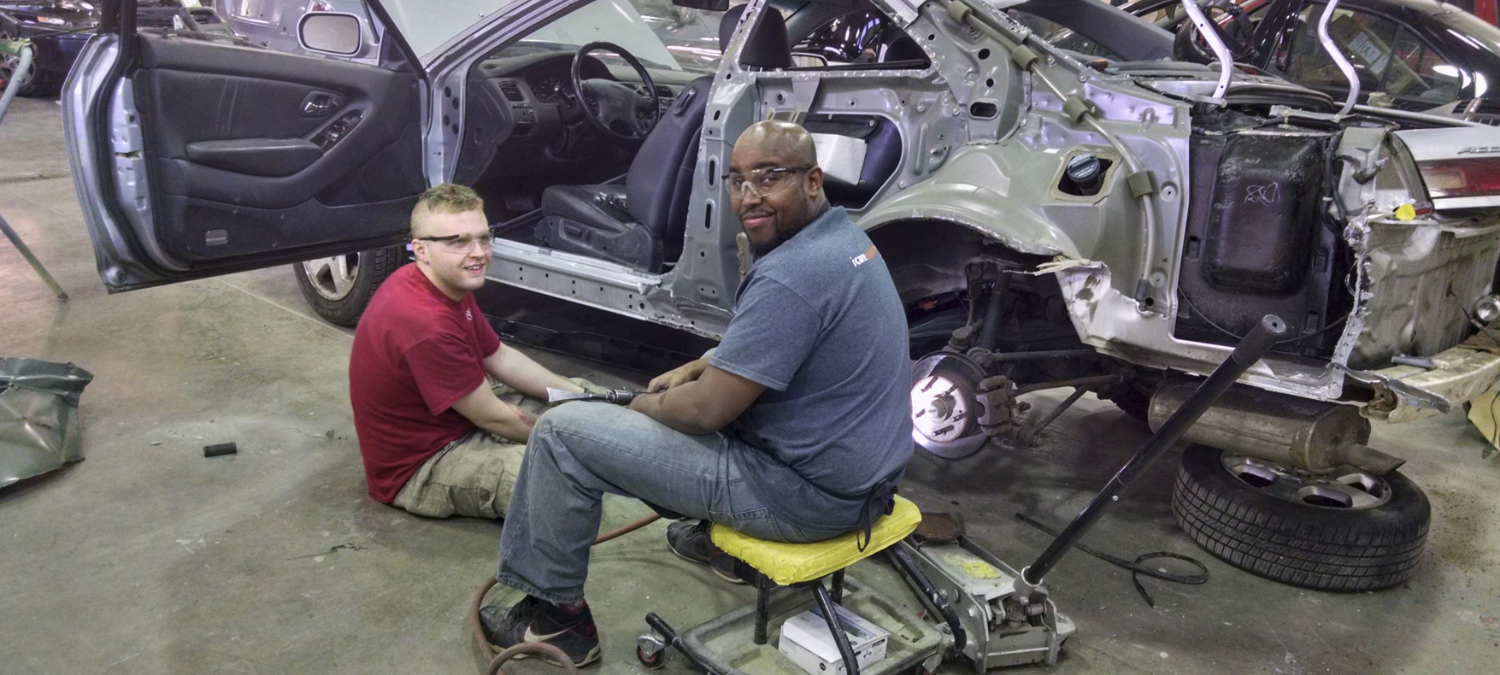
Classroom hours matter, but shop hours are what separate a paper tech from a paid one. Working on a wide range of makes and models teaches you what no textbook can, like how a rusted exhaust bolt responds to a torch, or why some scan tool codes lie. Look for programs that put you in front of real customer cars or donated ones, not just cutaway mock-ups. The more rotations you get through brakes, engines, suspensions, and electrical, the faster you'll be trusted with bigger work.
Pay Ranges and Room to Grow
Pay in Minnesota runs from roughly $45,000 a year for newer techs to $60,000 and up for experienced hands. Specializing lifts that ceiling. Diesel techs, hybrid and EV specialists, and manufacturer-certified technicians at dealerships tend to see stronger paychecks. Long, cold winters here keep cars breaking and garages busy, so steady work isn't hard to find once you've proven yourself.
Your Path to Becoming a Mechanic at Newgate
| Step | What You Do | What It Looks Like |
|---|---|---|
| 1 | Schedule a visit | Reach out to Newgate and set up a time to tour the shop. |
| 2 | Tour and meet instructors | See students working on real vehicles and ask questions. |
| 3 | Apply to the program | Must be 19–35, lower income, and serious about the trade. |
| 4 | Get accepted | Zero tuition. Small class sizes with strong support. |
| 5 | Train hands-on | Work directly on donated vehicles for 12–18 months. |
| 6 | Graduate | Earn certificate + tool set. |
| 7 | Start your career | High placement rate with local shops and dealerships. |
Start Your Training at Newgate School
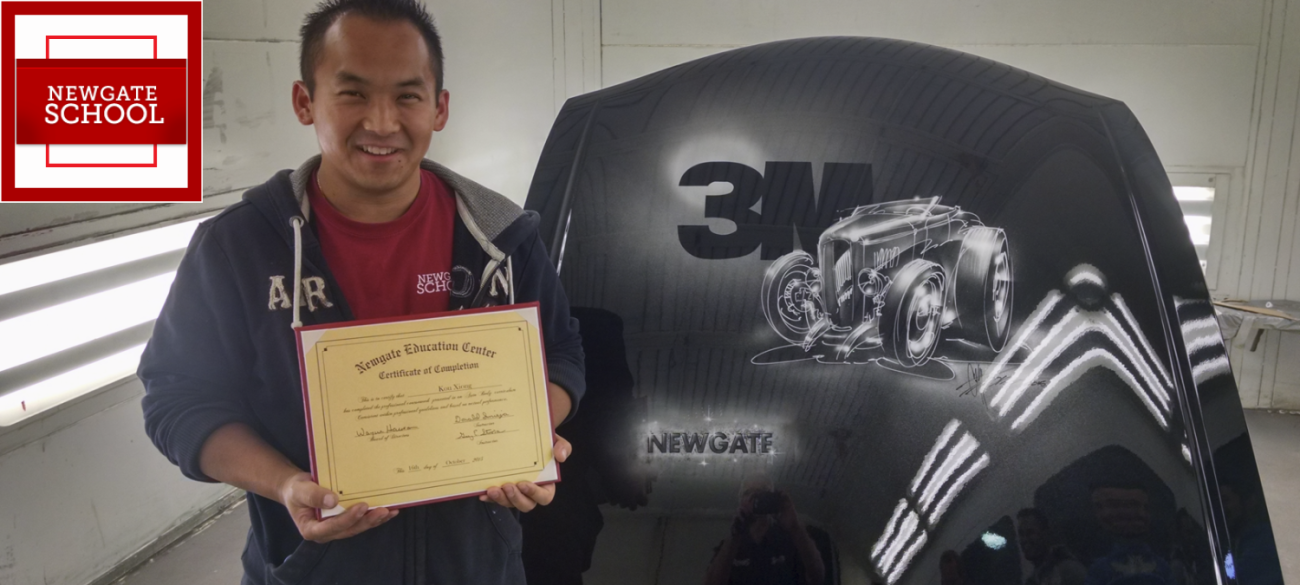
If you're serious about how to become an auto mechanic and you live in the Twin Cities metro, we'd love to have you tour our Minneapolis shop. At Newgate School, we've been training underserved young adults for tuition-free automotive careers since 1975. Our program is 100% hands-on with no classroom lectures and no textbooks, just real cars and real problems to solve alongside master-level instructors. Applicants are between the ages of 19 and 35, with a real interest in the trade, and graduates leave with a certificate of completion, a tool cabinet, and job placement help. Nearly every student who finishes has a job lined up at a local shop or dealership. If the traditional classroom route hasn't worked for you, or if tuition is the only thing standing in your way, we may be the right fit.