
87, 91, or E85? How to Pick the Right Fuel for Your Car
Pull up to almost any gas station in Minneapolis, MN, and you'll face a row of buttons, a few numbers, and maybe a yellow nozzle off to the side. Pick wrong, and you could waste money every fill-up, or in a worst case, hurt your engine. The good news? Your car already tells you what it wants. You only need to know where to look.
- Most cars run on regular gas, which is usually 87 octane.
- Premium gas only helps engines built for it, so check whether your manual says required or recommended.
- E85 and diesel are made for specific engines and don't belong in a standard gas tank.
| Auto Mechanics Training | Donate Your Car |
Start With Your Owner's Manual and Fuel Door
If you've ever stood at the pump asking, "What gas does my car need?" the answer starts in two places. Open the fuel door first, since many cars print the fuel type right there. The owner's manual spells it out, too. Lost the manual? You can often find a digital copy on the automaker's website.
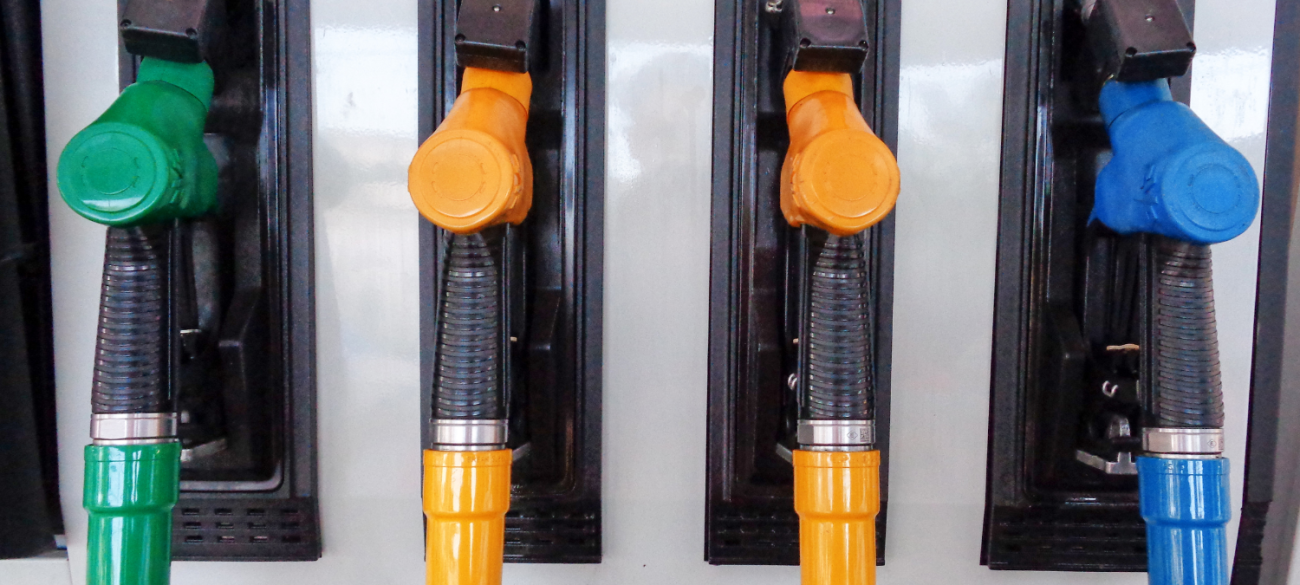
Flex fuel vehicles often give themselves away with a yellow gas cap or a yellow ring around the filler. Most automakers began using yellow caps on flex fuel models in model year 2008, with GM starting in 2006, according to fueleconomy.gov. Badges on the body that read E85, Flex Fuel, or FFV are another clue.
Breaking Down the Types of Gas at the Pump
The types of gas you'll see at most stations come in three grades, sorted by octane. Regular is usually 87, midgrade is 89 to 90, and premium runs 91 to 94, per the U.S. Energy Information Administration. Brands use names like unleaded, super, or super premium, but the yellow label on the pump tells the real story. That big number is the minimum octane rating for that fuel.
So what do octane ratings tell you? They show how well fuel resists knock. That's the rattling ping you hear when fuel lights off too early in the cylinder. Engines with higher compression need higher-octane fuel to run right.
Premium Gas, Required or Recommended?
The regular vs. premium gas question comes down to one word in your manual. Consumer Reports explains that if your manual says premium is recommended, regular is safe for everyday trips. If it says premium is required, the engine was designed around higher octane, so stick with it. CR does suggest premium in a premium-recommended car for towing, mountain climbs, or very hot weather.
And if your car calls for regular? Adding premium won't make it faster or help it last longer, according to Consumer Reports. You'd mostly be paying extra for nothing.
Want to see the regular vs. premium difference explained? Watch the video below.
Where Ethanol Fits In
Almost every gallon of gas in the U.S. has a bit of ethanol in it. According to the Alternative Fuels Data Center, more than 98% of U.S. gasoline contains ethanol, typically as E10, a 10% blend. E15 gasoline holds 10.5% to 15% ethanol and is approved for model year 2001 and newer light-duty vehicles. Older cars, plus lawn mowers, motorcycles, and boats, should stick with E10 or less.
E85 flex fuel carries 51% to 83% ethanol, depending on the season and region, and it's only for flex fuel vehicles. Ethanol packs about a third less energy than gasoline. That's why flex fuel vehicles get roughly 15% to 27% fewer miles per gallon on E85 than on regular gas, based on fueleconomy.gov figures.
Diesel Plays by Its Own Rules
Diesel engines need diesel fuel, plain and simple. The EPA began phasing in ultra-low sulfur diesel in 2006, and after 2010, all highway diesel fuel had to meet it, with a cap of 15 parts per million of sulfur. Every highway diesel vehicle has to use it. Pump the wrong fuel by mistake? Leave the engine off, since starting it moves that fuel toward the engine. Call for a tow and let a shop drain the tank.
Fuel Type Comparison Chart
|
Fuel Type |
What's in It |
Who Should Use It |
Good to Know |
|
Regular |
Generally 87 octane |
Most cars, trucks, and SUVs |
Fine for everyday trips in engines that only recommend premium |
|
Midgrade |
Generally 89 to 90 octane |
Engines that list 89 octane in the manual |
Offers no extra benefit if your car calls for 87 |
|
Premium |
Generally 91 to 94 octane |
Engines marked premium required |
Worth using for towing, mountain trips, or high heat if premium is recommended |
|
E15 |
10.5% to 15% ethanol blended with gasoline |
Model year 2001 and newer light-duty vehicles and all flex fuel vehicles |
Not for older cars, lawn mowers, motorcycles, or boats |
|
E85 Flex Fuel |
51% to 83% ethanol, based on region and season |
Flex fuel vehicles only |
Roughly 15% to 27% fewer miles per gallon than regular gas |
|
Diesel ULSD |
Ultra-low sulfur diesel with a 15 ppm sulfur cap |
Diesel engines only |
All highway diesel vehicles in the U.S. must use it |
Put Your Old Car to Work at Newgate School
Knowing what goes in the tank is one small piece of car care. At Newgate School, students learn the rest by working on real cars in the shop. Auto mechanics students diagnose and repair engines, brake systems, suspensions, and more, all through hands-on training with no tuition or fees. That training happens on donated vehicles, and 100% of the sale proceeds go back into free education for students.
Got an older car, truck, or van sitting in the driveway? Donating it to Newgate keeps the programs running and helps a young adult in the Twin Cities start a lasting career. Some donated cars even get a second life through Wheels for Women, which provides reliable transportation at no cost to qualifying working single moms. If you've got a car to donate, Newgate would love to hear from you.
| Become a Newgate Student | Donate Your Car |
Fuel Questions Drivers Ask Often
Can I put premium gas in a car that takes regular?
You can, but Consumer Reports says premium in a car that isn't designed for it won't make it go faster, run better, or last longer. You'll mostly spend more at the pump.
What happens if I use regular gas in a car that requires premium?
If your manual says premium is required, the engine was designed around higher octane fuel, so stick with premium. Lower octane can lead to engine knock. If you hear pinging after a fill-up, go back to the grade your manual lists.
Can my car use E15?
E15 is approved for model year 2001 and newer cars, light trucks, and SUVs, plus all flex fuel vehicles. Older vehicles and small engines like lawn mowers, motorcycles, and boats should stay with E10 or less.
Does premium gas keep my engine cleaner?
Not usually. The FTC says high-octane gas generally doesn't outperform regular gas in preventing engine deposits. Consumer Reports suggests buying Top Tier gas at whatever octane your car needs.
| Donate Your Car |